



Introduction to Cerebral Palsy
Causes of Cerebral Palsy
Cerebral palsy can have various causes, and it typically occurs due to damage to the developing brain. Some common causes include:-
- Prenatal factors: Cerebral palsy can develop as a result of several prenatal disorders, including maternal illnesses, toxic exposure, or inadequate oxygen delivery to the fetus.
-
- Perinatal factors: Obstacles encountered during childbirth, such as protracted labor, issues with the umbilical cord, or fetal discomfort, can cause brain damage and raise the chance of cerebral palsy.
-
- Postnatal Factors: Cerebral palsy can also be brought on by infections, concussions, and other illnesses that develop after birth.
Is Cerebral Palsy a Physical Disability?
Yes, Cerebral palsy is a physical disability. It impairs one’s capacity for self-control, which results in issues with walking, balance, coordination, and fine motor abilities. Individuals with cerebral palsy may experience physical disabilities that range in severity from minor to severe. Despite the physical difficulties, it’s critical to keep in mind that cerebral palsy does not preclude a person from having intelligence or other cognitive skills. Many people with cerebral palsy are intelligent, often above average, and have a wide range of skills and capabilities. The severity of the illness, the availability of support networks, and access to medical interventions and therapies all influence how cerebral palsy affects a person’s quality of life. Integrated early interventionSymptoms of Cerebral Palsy
Each person’s case of cerebral palsy is unique, and the type and severity of the symptoms might change. Typical signs include:-
- Motor impairments: Issues with balance, coordination, muscle tone, and movement control. This could lead to unnatural movements, muscle stiffness, or improper gait.
-
- Delayed milestones: Reaching developmental milestones like rolling over, sitting, crawling, or walking is referred to as having a delayed milestone.
-
- Muscle spasticity or weakness: Some cerebral palsy sufferers may have weak muscles, while others may have tight, stiff muscles that might limit their range of motion.
-
- Impaired fine motor skills: Inability to do tasks that call for precise movements, such as gripping things, writing, or using utensils, due to impaired fine motor skills.
-
- Speech and language delays, articulation issues, or problems with nonverbal communication are all examples of speech and communication difficulties.
How is Cerebral Palsy Diagnosed?
It can be diagnosed following a thorough examination by medical experts, which may include:
-
- Medical history: Extensive data on the person’s growth, birth, and any known risk factors.
-
- Physical exam: Measuring motor abilities, reflexes, coordination, and muscle tone.
-
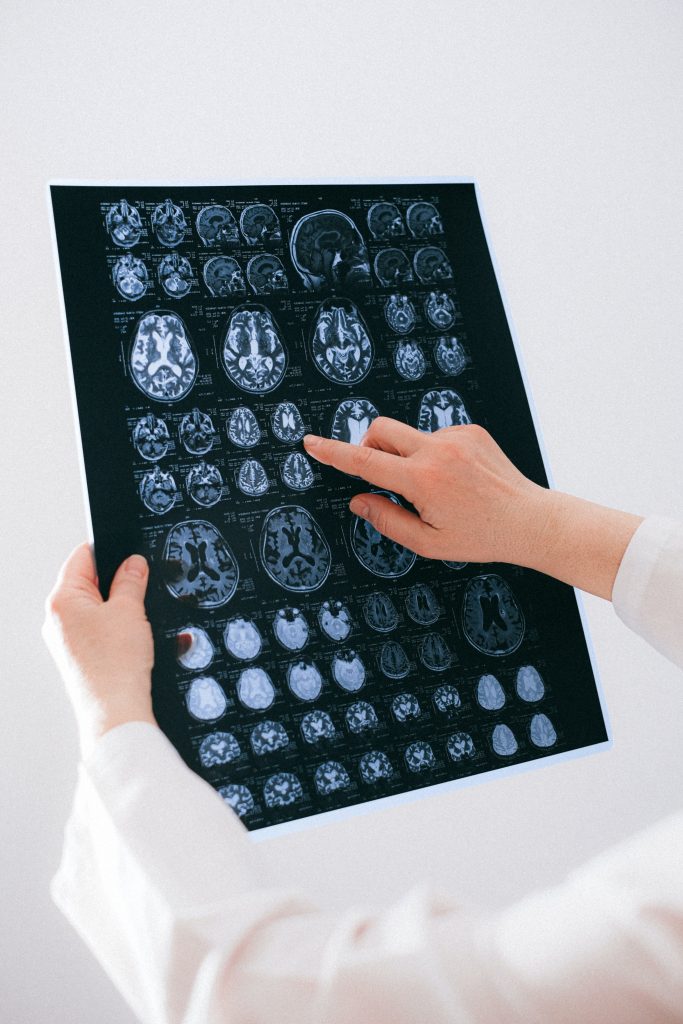
- Neuroimaging: The use of MRI or CT scans to image the brain in order to detect any abnormalities or damage.
-
- Evaluation of cognitive abilities, speech and language skills, and developmental milestones is done through developmental assessments.
-
- Genetic testing: Genetic testing may occasionally be carried out to discover any underlying genetic disorders linked to this illness.
The Role of NDIS in Cerebral Palsy Assessment
Cerebral palsy assessments may be covered by Australia’s National Disability Insurance Scheme (NDIS). The NDIS offers financing so that people with disabilities can get the supports and services they need, such as ongoing planning and diagnostic assessments. People with cerebral palsy must meet the eligibility requirements, go through the application and planning processes, and receive NDIS funding. To efficiently manage the assessment and funding process, it is advised to work with a support coordinator or NDIS representative. Australians with this illness can receive financial assistance through the National Disability Insurance Scheme (NDIS) to meet their unique needs and improve their quality of life. Taking into account a person’s goals, functional requirements, and aspirations, the NDIS attempts to provide acceptable and essential services. Here
-
- Early intervention services: The NDIS recognizes the importance of early intervention for children. It can fund services such as occupational therapy, physiotherapy, speech therapy, and early childhood intervention programs to support their development and maximize their potential.
-
- Assistive technology and equipment: The NDIS can provide funding for various assistive devices and equipment tailored to meet the specific needs of people. This may include wheelchairs, communication devices, orthotic devices, mobility aids, and home modifications to improve accessibility and independence.
-
- Therapeutic supports: The NDIS can fund ongoing therapeutic services, such as physiotherapy, occupational therapy, and speech therapy, to help individuals improve their motor skills, communication abilities, and overall functional independence.
-
- Personal care and support: The NDIS can fund support workers or personal care attendants with activities of daily living, including personal hygiene, meal preparation, and household tasks. This support aims to enhance their independence and participation in everyday life.
-
- Specialized transport: The NDIS can provide funding for transportation arrangements that accommodate the specific needs of individuals with this illness. This may include modified vehicles, transport assistance, or taxi vouchers to facilitate community participation and access to services.
-
- Respite care: The NDIS recognizes the importance of respite care for families and caregivers of individuals with this illness. It can fund respite services to provide temporary relief and support to caregivers, ensuring they have opportunities for rest and self-care.
-
- Home and living support: The NDIS can fund home modifications, assistive technology, and support services to enable individuals to live independently and safely in their own homes. This may include modifications to bathrooms, ramps, and other accessibility features.
Key Takeaways
-
- The NDIS can provide funding for a range of supports and services for individuals with cerebral palsy to enhance their quality of life and promote independence.
-
- Supports funded by the NDIS may include early intervention services, assistive technology and equipment, therapeutic support, personal care and support, specialized transport, respite care, and home and living support.
-
- The specific supports funded by the NDIS are based on individual needs, goals, and the reasonable and necessary criteria outlined by the scheme.
-
- Working with a support coordinator or NDIS representative can help navigate the funding process and develop a personalized plan that best suits the needs of the individual with it.
