



NDIS Consumables In Australia
KEY TAKEAWAYS:
- NDIS consumables are products that help participants manage their disability-related needs.
- Eligibility for NDIS consumables is based on a participant’s permanent and significant disability and individual needs and goals.
- Participants can work with their NDIS planner or support coordinator to determine their consumables budget and choose the products that best meet their needs.
- NDIS participants can purchase consumables from a range of suppliers and should compare prices and quality before making a purchase.
Australians with impairments and their families can receive assistance through the National Disability Insurance System (NDIS). This covers support for a variety of consumables, which are necessary goods that enable people with disabilities to live more freely and comfortably.
We will go through what NDIS consumables are, how they can aid people with disabilities, and specifically how NDIS consumables for autism can enhance the lives of those who are impacted in this blog.
What is NDIS Consumables?
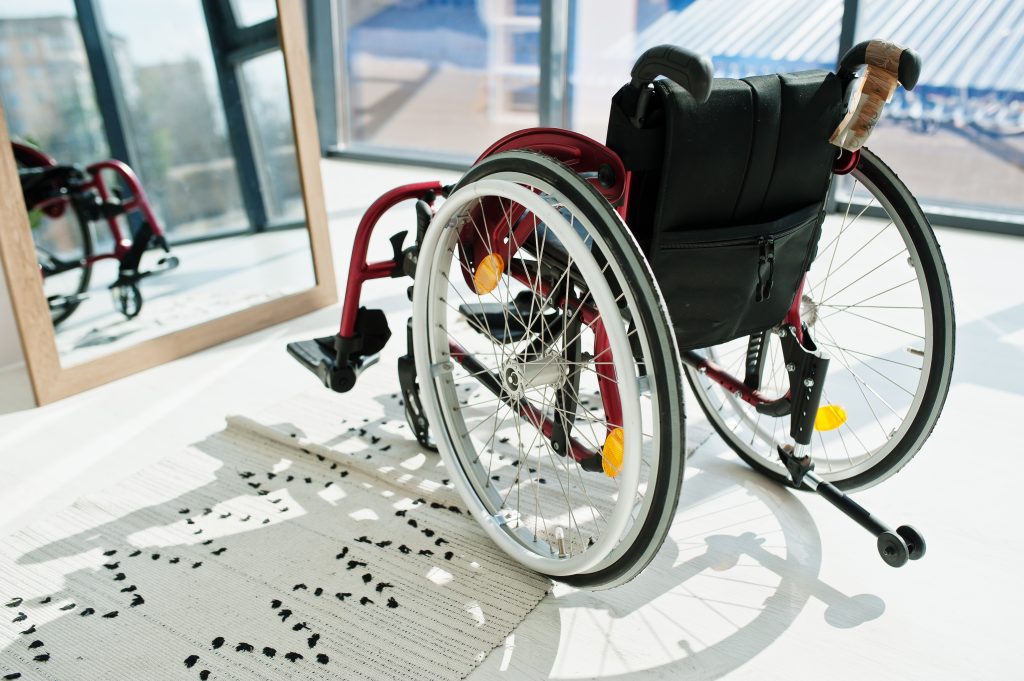
NDIS Consumables are goods or equipment that help people with disabilities carry out their everyday activities and live as independently as possible. They could include mobility aids like wheelchairs and walking frames or personal care aids like wound dressings and continence supplies.
Additionally, they might include things like assistive technology, house modifications, and vehicle modifications that will help with communication or increase accessibility to the community.
The NDIS normally pays for NDIS consumables, however, it’s crucial to remember that not all consumables are covered. Working with your NDIS planner or support coordinator to decide what supports and consumables are appropriate for you is vital since the NDIS has strict requirements for what is considered reasonable and required for you.
Who is Eligible for NDIS Consumables?
To be eligible for NDIS consumables, participants must have a permanent and significant disability that affects their daily living activities. The types of consumables that are funded under the NDIS will depend on the participant’s individual needs and goals.
NDIS Consumables for Autism
The neurological disorder autism impairs behavior, social interaction, and communication. To manage daily life, many people with autism need certain support and accommodations.
Consumables covered by the NDIS for people with autism may include safety items to stop wandering, sensory toys and equipment, and communication gadgets.
- Communication Devices
Communication is one of the hardest things for people with autism. Some people could struggle with verbal communication, while others might struggle to interpret social cues and nonverbal communication. The efficient communication of needs and wishes can be facilitated by communication aids like speech-generating devices and visual communication systems.
- Sensory Toys and Equipment
Several people with autism have sensory processing issues, which can cause them to be more sensitive to specific stimuli or have trouble processing sensory data.
The use of sensory toys and tools can have a calming and regulating impact, assisting people with autism in controlling their emotions and behavior. Weighted blankets, fidget spinners, and sensory swings are a few examples of sensory toys and accessories.
- Safety Supplies
Many families with autism worry about safety, especially when it comes to wandering. Autism sufferers may have the propensity to stray from their carers or become lost in strange places. Families can feel at ease using safety gadgets like door alarms and GPS trackers, which can also assist avert harmful situations.
NDIS Consumables for Mental Health
Consumables covered by the NDIS may be crucial for those with mental health issues. To control their symptoms and enhance their overall quality of life, people with mental health issues may need consumables including medication, medical equipment, and assistive technology.
It is crucial for people with mental health problems to determine the specific consumables they require and how they can receive them through the NDIS in collaboration with their healthcare professionals and NDIS planners or support coordinators.
Working together, people with mental health issues can gain access to the resources and supports they require to lead happy, fulfilled lives.
A variety of NDIS consumables may be needed by people with mental health issues to support their requirements. To treat their symptoms, patients might need medication, such as mood stabilizers or anti-anxiety drugs. In order to support their mental health needs, people with mental health conditions may also need access to therapy and counseling services.
For those with mental health issues, consumables like books, CDs, and other tools for self-help and coping mechanisms can be helpful.
Moreover, assistive technology like wearables or smartphone apps can be helpful for managing prescriptions, monitoring symptoms, and getting access to mental health resources. For people with mental health concerns, this technology can help them become more independent and manage their mental health better.
Consumables including sensory goods, fidget tools, and relaxation aids can also be helpful for those with mental health issues. These things can be useful for calming down and managing anxiety.
It is crucial to identify the precise consumables required to support mental health needs in collaboration with healthcare providers and NDIS planners or support coordinators.
NDIS Consumables Funding
Funding is a crucial component of NDIS consumables. The purpose of NDIS funding is to support and assist people with disabilities in living more independent and satisfying lives. A variety of supports and services, including consumables, are funded by the NDIS.
When a person is approved for NDIS funding, they are given a budget that they can use to buy commodities that they will need on a daily basis. To make sure that the budget is spent wisely to fulfill the needs of the individual, it is crucial to collaborate with an NDIS planner or support coordinator.
Claiming your NDIS Consumables
The NDIS planning process can be used to claim consumables. When a person is granted NDIS funding, they collaborate with their support coordinator or planner to create a plan outlining the support and services they require. The individual can work with their planner or coordinator to establish the precise consumables they need because this plan contains a budget for them.
The individual or their representative may buy the items using the money allotted in their plan in order to claim NDIS consumables. All purchases they make must be supported by invoices and receipts, which must be submitted to the NDIS for payment.
What is NDIS Core Support Needs?
NDIS Core Support Needs are supported that help participants with everyday activities such as personal care, mobility, and household tasks. The four categories of Core Support Needs are:
-
Assistance with Daily Living: This includes assistance with personal care, such as getting dressed and bathing, as well as support with household tasks such as cooking and cleaning.
-
Transport: This includes support to access community activities, appointments, and social events.
-
Consumables: This includes items such as continence products and nutritional supplements that help participants manage their disability-related needs.
-
Assistance with Social, Economic, and Community Participation: This includes support to help participants engage in social, economic, and community activities, such as participating in a hobby or joining a club.
NDIS Assistive Technology and Consumables Code Guide
The NDIS Assistive Technology and Consumables Code Guide provide a list of consumables that are covered under NDIS and their associated codes. You can use this guide to help you choose the right consumables for your needs and ensure that they are covered under your NDIS plan. You can download the guide from the NDIS website at https://www.ndis.gov.au/providers/assistive-technology-and-consumables/assistive-technology-and-consumables-code-guide.
