



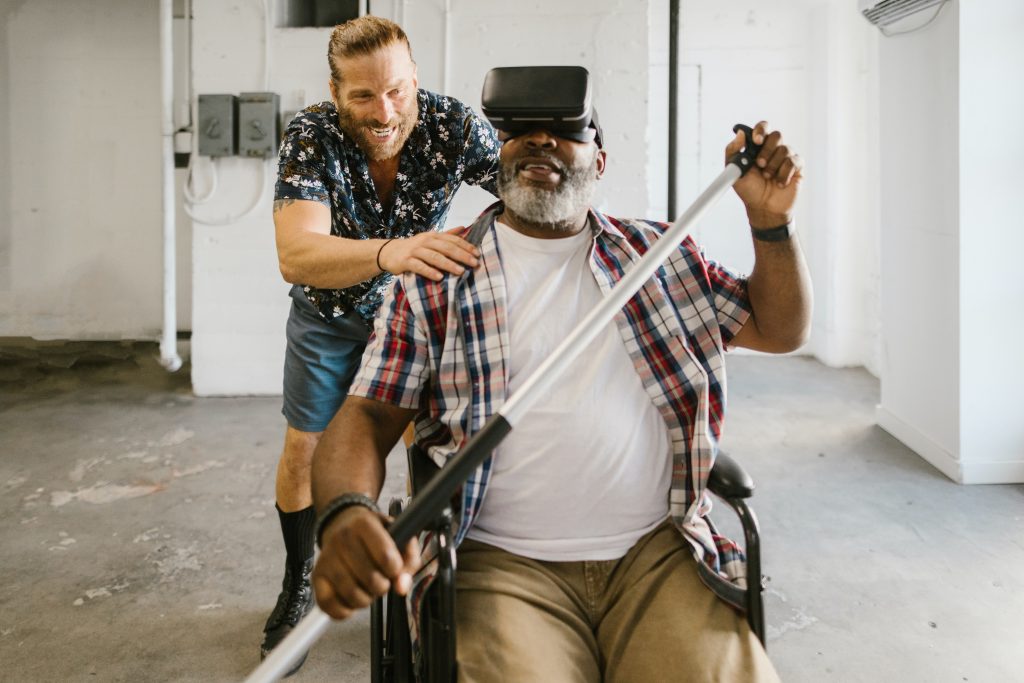
What is Assistive Technology?
The term “assistive technology” refers to a broad range of tools, apparatus, programs, and systems created to increase the independence and functional capabilities of people with disabilities. It includes aids for communication, sensory assistance, environmental control, movement, and other purposes. These technologies are created to cater to the unique demands of people and support them in a variety of daily activities.
The Role of Assistive Technology in NDIS
The National Disability Insurance Scheme (NDIS), an Australian program, offers help and services to those with impairments while fostering their inclusion and access to required support. In the NDIS framework, assistive technology plays a key role in enabling people to realize their full potential and lead satisfying lives. Here is how it helps:
- Independent Living: Assistive technology makes it possible for people to manage daily duties like mobility, personal care, and home chores. Mobility aids, voice-controlled assistants, and smart home systems are some examples of gadgets that promote independence and lessen the need for support.
- Communication and Socialization: An essential component of human connection is communication. Speech-generating devices, augmented and alternative communication systems, and social media accessibility features are examples of assistive technology solutions that improve communication skills and allow users to connect, express themselves, and engage in social situations.
- Education and Employment: Supporting educational and employment possibilities for people with disabilities is made possible in large part by assistive technology. It consists of assistive software, alternate keyboards, screen readers, and adaptive learning tools that guarantee equitable access to education and promote effective work.
- Accessible Transportation: For those with disabilities, getting around can be a major roadblock to freedom. By providing solutions like wheelchair-accessible vehicles, mobility aids, and GPS navigation systems, assistive technology helps people navigate safely and effectively.
Accessing Assistive Technology through NDIS Funds
The NDIS provides funding to eligible individuals to access assistive technology that aligns with their support needs. Here are the key steps to access assistive technology through NDIS funds:
- Assessment: Based on an individual’s goals, functional limits, and aspirations, an NDIS planner or allied health professional will undertake a complete evaluation to determine the assistive technology requirements.
- Plan Development: After the evaluation is over, the NDIS participant works with their planner to create a plan for the program that outlines goals, support requirements, and financial allotments for assistive technology.
- Funding and Budgeting: The amount of money set out for assistive technology is specified in the NDIS plan. The participant can then research various suppliers and possibilities to select the best assistive technology products and services within the allocated spending limit.
- Implementation and Review: The assistive technology is put into use and integrated into the participant’s life after being chosen. Regular plan reviews guarantee continued assistance and reevaluations as necessary.
Key Takeaway
Assistive technology has transformed the lives of countless individuals with disabilities, enabling them to overcome challenges and actively participate in society. By harnessing the power of technology, we can break barriers and create a more inclusive world. The NDIS provides crucial support and funding to ensure that people with disabilities can access the assistive technology they need to thrive and live life to the fullest.
Helpful Resources:
Assistive Technology for Education and Employment
Communication and Assistive Technology
Mobility Aids and Accessibility Solutions
With its ability to empower people with disabilities and lower obstacles to inclusion, assistive technology is a game-changer. The NDIS makes it feasible for people to have access to assistive technology, which promotes independence, improves communication, supports education and employment, and makes it easier to use accessible transportation. We can build a culture that appreciates diversity and allows everyone to flourish if we acknowledge the enormous potential of assistive technology and promote its integration. As a potent weapon for inclusivity and empowerment, let’s continue to embrace technology.
